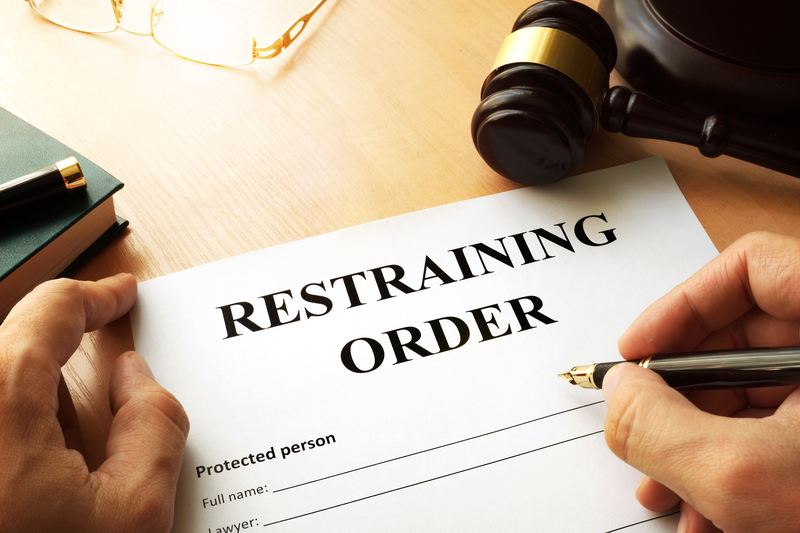
In Federalist 51, former President James Madison and framer of our Federal Constitution, argued that ‘if men were angels, no government would be necessary.’ Madison was making the point that the Constitution was structured to limit the branches of government from becoming too powerful; serving as ‘checks and balances’ on each other.
Madison’s point holds true today, in Minnesota jurisprudence, by empowering courts to harness abuses of individual freedoms of speech and assembly, and preventing people from committing “repeated incidents of intrusive or unwanted acts, words or gestures that have adversely affect the safety, security or privacy of another.” See Minn. Stat. §609.748 subd. 1(a)(1).
This ‘harness’ is known as a Harassment Restraining Order, which can make it a criminal act for someone to contact another person, when that contact is prohibited by a judge.
The ‘measuring stick’ for determining what is, and what is not harassment, is imprecise and discretionary with the court. When deciding whether acts of harassment occurred, the court must consider two things:
- The actions of the accused harasser, and whether their actions or intentions are objectively unreasonable; AND
- The belief of the person claiming harassment, and whether their belief is objectively reasonable.
See Dunham v. Roer, 708 N.W.2d 552 (Minn. Ct. App. 2006).
In analyzing the objectively unreasonable actions of the accused, and the objectively reasonable beliefs of the accuser, the court will consider the context of the parties’ actions, for actions that might be harassing in some cases, may not be harassing in others. For example, taking photographs of someone in public, or, searching a person’s profile online, can be objectively benign and have no intrusive effect. But, where there is a history to the relationship of the parties, these actions may have a substantial effect on a person’s privacy and security.
Courts have broad discretion to weigh evidence and make credibility determinations in deciding whether there is objectively reasonable basis for someone to feel harassed, or, whether a person’s actions are objectively unreasonable, and harassing in nature.
As James Madison predicted, we are not angels, and government protections against abuses of our freedom to misbehave, is necessary. If you find yourself in need of protection from harassing conduct, or if you are wrongly accused of harassing conduct, getting sound legal advice is highly recommended.

Meet Tim Simonson
Tim has been practicing for more than twenty (20) years now, He's handled divorce, child support, child custody, third party and grandparent rights, domestic abuse, parenting time, and many other areas of family law. He always enjoys the chance to meet people and see whether he can help find solutions to their legal problems.
Contact Beyer & Simonson
If you are facing divorce and any of the divorce-related issues such as spousal maintenance, child support, child custody, property division, or domestic abuse matters, you need our experienced Minneapolis divorce attorneys to help you. Contact Beyer & Simonson in Edina, Minnesota today at (952) 303-6007.